Approach non-invasive which uses advanced technology to monitor and train brain activity. We observe in real time how the brain works — and train it to operate in a way that... more balanced and efficient.
At Mentara, our distinguishing feature is... fusion of Neurofeedback with Somatic Psychotherapy We don't just teach the brain to function better, we also help unlock repressed emotions and unconscious patterns.
Neurofeedback is likely to play an important therapeutic role. If any medication had demonstrated such a broad spectrum of effectiveness, it would be... universally accepted and widely used.
Clinical Electroencephalography · 2000
advantages
Benefits of Neurofeedback
Each application is carefully and confidentially reviewed — so that we can support those who need our assistance the most.
01
Reducing stress and anxiety
Regulation of the autonomic nervous system and sustained parasympathetic activation.
02
Concentration and focus
Improved executive function and sustained attention in adults and children.
03
Aid for insomnia
Stabilization of brain patterns associated with deep, restorative sleep.
04
Emotional regulation
Greater internal stability, less reactivity, and better stress tolerance.
05
Cognitive performance
Memory, decision-making, and creativity — including for high-performance athletes and professionals.
06
Lasting self-regulation
Gains tend to be maintained over time, with periodic reinforcements when indicated.
process
How it works a session
01
Measurement of brain activity
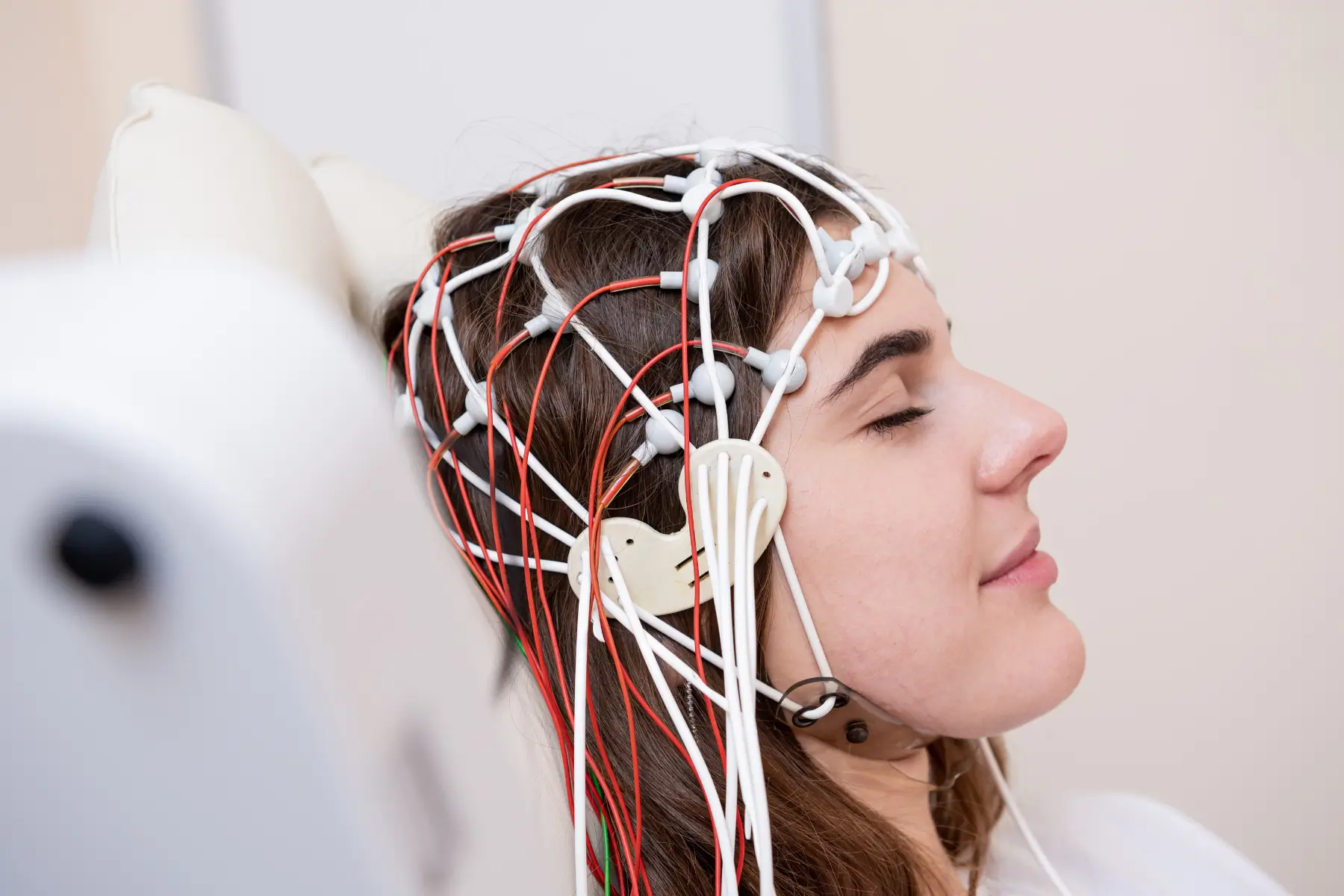
Small sensors (electrodes) in the scalp capture the brain's electrical activity — similar to an EEG.
02
Feedback in real time
You see a game, movie, or graphic that responds to your brain activity. When the brain reaches desired patterns, it receives positive reinforcement.
03
Learning and self-regulation
With practice, the brain learns to maintain these patterns even without feedback — a lasting improvement.
Recipients
To who is it indicated?
Neurofeedback can be used by anyone who wants to improve their mental well-being and performance, but it is especially recommended for:
People with anxiety and chronic stress
Anyone who has insomnia or sleep disorders
People who want to improve emotional balance
Children and adults with ADHD and concentration difficulties.
Professionals who want to optimize cognitive performance.
Neurofeedback Specialist
Carlos Alves
His journey began in 2020, motivated by the need to better understand how the brain works and to find... natural solutions for emotional regulation, anxiety and stress.
She has conducted hundreds of Neurofeedback sessions and continued her training with some of the leading international experts — including Dr. Richard McAllister (ongoing mentoring, New Jersey, USA).
Training in the USA in Neurofeedback, QEEG, Brodmann Areas and sLORETA, featuring internationally renowned professionals such as Thomas Collura, Robert Turner, David Cantor, among others.
Ready for the First step? Speaking is how it all begins.
Sensors are placed on the head to record brain activity. It interacts with visual or auditory stimuli that adjust brain activity in real time, helping the brain learn new, healthier patterns. The process is painless, non-invasive, and completely safe.
How many sessions are needed?
It varies from person to person, but significant improvements are usually observed within 10 to 20 sessions. More complex cases may require longer follow-up.
Does it have side effects?
No. It only trains the brain. Some people may experience mild fatigue or deep relaxation after the first few sessions—adapting to new patterns.
Are the results permanent?
Yes, in many cases the benefits are long-lasting. The gains tend to be maintained over time. Periodic reinforcements may be recommended in complex situations.
Can it be used on children?
Yes. It's safe for all ages and can be very effective in children and adolescents — especially for ADHD, anxiety, learning difficulties, and emotional regulation.
Does it improve cognitive performance?
Yes. In addition to helping with emotional and neurological challenges, it can enhance cognitive functions such as memory, focus, decision-making, and creativity—used by athletes and high-performance professionals.



 English
  Português
  Español